Source Foldable Mini Led Fan for Daily Use, Gifts, and Decoration
Explore 30 options for the foldable mini led fan, featuring battery power, LED lights, and customizable designs. Buyers can compare specifications like size, weight, and packaging to find the right unit for daily use, gifts, or collection.
Key considerations
Products List


Comprehensive Sourcing Guide
Strategic Sourcing Guide for Foldable Mini LED Fans
Understanding the Product Category and Core Attributes
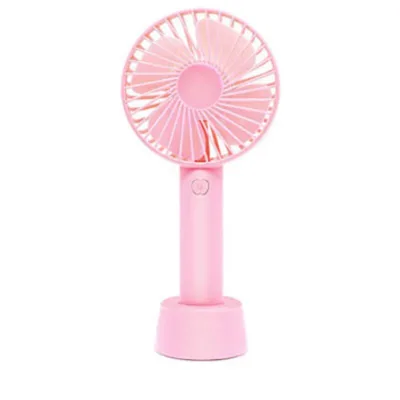
The foldable mini LED fan represents a specific niche within the portable cooling and promotional product sectors. This category is defined by its compact form factor, which prioritizes portability without sacrificing essential functionality. Based on observed market data, these devices are predominantly constructed from plastic materials, with a significant subset utilizing ABS (Acrylonitrile Butadiene Styrene) for enhanced durability and structural integrity. The defining characteristic of this product line is the folding mechanism, which allows the fan to transition from a functional, extended state to a compact, folded state for easy storage in bags or pockets.
The product form factor varies, with observations indicating both round and folding shapes. While some models maintain a traditional circular blade design, others emphasize the "folding" aspect as a primary shape descriptor, suggesting a collapsible blade or housing structure. A critical differentiator in this category is the integration of LED lighting. This feature serves a dual purpose: providing ambient illumination for low-light environments and acting as a visual marketing tool for promotional buyers. The style of these fans often leans towards "fashion" or "creative" designs, indicating that aesthetics play a significant role in the purchasing decision alongside functional cooling capabilities.
Power sources are almost exclusively battery-operated, with many models featuring USB rechargeability. This eliminates the need for disposable batteries, aligning with modern sustainability trends and reducing long-term operational costs for the end-user. The power consumption is generally low, with specific observations noting a 2W power rating, which ensures extended runtime on standard battery capacities. The integration of LED lights typically adds minimal power draw, allowing the fan to function effectively even when the lighting feature is active.
Technical Specifications and Performance Parameters
When evaluating foldable mini LED fans, buyers must scrutinize specific technical parameters to ensure the product meets operational requirements. The physical dimensions are a primary consideration. Observed specifications include a size of 3935cm for certain models, while others are described by their fan diameter, such as a 12cm fan size. The standard size for some units is listed as 4.5 inches, with specific depth measurements like 1.3 inches and 1.2 inches, highlighting the slim profile of these devices. The weight is another critical metric; individual units typically weigh around 106g to 115g including packaging, making them lightweight for daily carry.
Battery capacity is a vital specification for performance longevity. Data indicates a battery capacity of 500mAh for specific models, which dictates the runtime before recharging is required. Buyers should verify if the battery is integrated or removable and confirm the recharge method, as most observed units utilize USB charging. The noise level is another technical factor; low noise operation is a standard expectation for these devices to ensure they do not disturb users in quiet environments like offices or bedrooms.
The presence of additional features such as timers or remote controls varies significantly. Some models are explicitly listed as "Without Remote Control" and "Without Timer," suggesting a simplified user interface with basic on/off and speed controls. Others may offer customization options for these features. The installation type is typically designed for table use, though the foldable nature allows for versatile placement. The packaging weight and dimensions are also essential for logistics planning; for instance, a carton containing 120 pieces may weigh 12.8kg and measure 554928cm, which directly impacts shipping costs and warehouse space requirements.
Compliance, Certification, and Safety Standards
In the realm of electronic consumer goods, compliance with international safety and environmental standards is non-negotiable. For foldable mini LED fans, the most frequently observed certifications include CE and RoHS. The CE mark indicates conformity with health, safety, and environmental protection standards for products sold within the European Economic Area. RoHS (Restriction of Hazardous Substances) compliance ensures that the product does not contain specific hazardous materials, such as lead or mercury, which is crucial for environmental sustainability and regulatory adherence in many global markets.
Buyers must verify that the supplier can provide valid test reports or certificates of conformity for these standards. While the presence of these certifications is a strong indicator of quality, they should not be assumed for every product listing without verification. The manufacturing origin is predominantly China, with specific mentions of Ningbo as a production hub. This location is known for its robust electronics manufacturing ecosystem, but it also necessitates rigorous quality control to ensure that the certified products meet the claimed standards consistently.
For buyers targeting specific markets, additional certifications may be required. For example, products sold in North America often require UL or ETL certification, while those in Japan may need PSE certification. The provided data highlights CE and RoHS as the primary observed standards, but procurement teams should explicitly request documentation for any other regional requirements. Furthermore, the warranty period is a key indicator of manufacturer confidence; a 1-year warranty is observed for certain models, serving as a baseline for after-sales support and product reliability expectations.
Cost Drivers and Pricing Dynamics
The pricing of foldable mini LED fans is influenced by a complex interplay of factors, including material costs, customization levels, and order volume. The observed price range in the market spans from $0.40 to $15.10 USD, a wide spectrum that reflects the diversity in product quality, feature sets, and branding. The lower end of this range typically corresponds to basic models with standard plastic construction, minimal customization, and high-volume production runs. Conversely, the higher price points are associated with premium materials like ABS, advanced features such as integrated LED lighting with multiple modes, and extensive customization options.
Customization is a significant cost driver. Many suppliers offer logo printing, color customization, and packaging modifications. The ability to customize the product allows buyers to create unique promotional items, but it often incurs additional tooling and setup costs. The Minimum Order Quantity (MOQ) also plays a crucial role in pricing. Observed MOQs range from 1 piece to 3000 pieces, with specific models requiring 100 or 500 pieces. Lower MOQs provide flexibility for small businesses or trial orders but often come with a higher unit cost due to the lack of economies of scale.
Packaging costs are another variable. Options range from simple carton boxes to custom color paper boxes. The standard packing weight and dimensions, such as a 12.8kg carton for 120 pieces, affect shipping logistics. Buyers should calculate the total landed cost, including shipping, duties, and taxes, rather than focusing solely on the unit price. The choice between a standard "Mini" standard and a custom specification can also impact the final cost, as specialized molds or production lines may be required for non-standard items.
Typical Applications and Usage Scenarios
Foldable mini LED fans are versatile products with a wide range of applications, making them suitable for various market segments. The primary usage category is daily use, where individuals seek portable cooling solutions for personal comfort during hot weather or while traveling. The compact size and foldable design make these fans ideal for commuters, students, and office workers who need a quiet, personal cooling device that can be easily stored in a bag or desk drawer.
The "Gift" and "Collection" usage categories highlight the product's appeal as a promotional item or a collectible. The "Fashion" and "Creative" styles, combined with the LED feature, make these fans attractive as corporate gifts, event giveaways, or trade show souvenirs. The ability to customize the logo and packaging allows businesses to brand these items effectively, enhancing brand visibility. The "Decoration" aspect suggests that the LED lighting feature adds an aesthetic value, making the fan a functional decorative item for home or office environments.
In the "Household" application, these fans serve as a supplementary cooling solution, particularly in areas where larger air conditioning units are not feasible or desired. The low noise level ensures they can be used in bedrooms or living rooms without causing disturbance. The "Table" installation type indicates their suitability for desk use, providing a focused airflow for users working at a computer or desk. The combination of these usage scenarios underscores the product's adaptability to both B2B and B2C markets.
Supplier Evaluation and Quality Control Protocols
Selecting the right supplier for foldable mini LED fans requires a thorough evaluation of their capabilities and quality control processes. Buyers should prioritize suppliers who demonstrate transparency in their manufacturing processes and provide clear documentation regarding materials and certifications. The observation of specific product models, such as BT-Y-0326-05 and OFFL2015, suggests that suppliers often have established product lines with consistent specifications. However, buyers must verify that the specific model they intend to purchase matches the observed attributes, as variations can exist between batches.
Quality control should be a central part of the procurement strategy. Given the electronic nature of the product, testing for electrical safety, battery performance, and mechanical durability is essential. Buyers should request pre-shipment inspections to verify that the folding mechanism operates smoothly and that the LED lights function correctly. The packaging integrity is also critical; the carton box size and weight must be consistent to prevent damage during transit. Suppliers offering a 1-year warranty demonstrate a commitment to product reliability, but buyers should clarify the terms of the warranty, including coverage for battery failure or mechanical issues.
When evaluating suppliers, consider their experience with customization. The ability to accept custom logos and packaging indicates a flexible production line capable of meeting specific branding needs. However, buyers should be aware that customization can introduce lead time delays and potential quality risks if not managed correctly. Establishing clear communication channels and setting realistic expectations for production timelines is vital. Additionally, verifying the supplier's location, such as Ningbo, China, can help in assessing logistics efficiency and potential shipping costs.
Long-Term Procurement Considerations and Market Trends
Long-term procurement of foldable mini LED fans requires a strategic approach that balances immediate needs with future market trends. The market for portable electronics is dynamic, with consumer preferences shifting towards more sustainable and energy-efficient products. Buyers should consider the environmental impact of the materials used, such as the preference for ABS plastic, and explore options for recyclable packaging. The trend towards USB rechargeability aligns with the global move away from disposable batteries, making this a stable feature for future product lines.
As the product category evolves, buyers should anticipate changes in feature sets. The integration of LED lighting is currently a key differentiator, but future models may incorporate additional smart features, such as Bluetooth connectivity or app control. Staying informed about these trends can help buyers maintain a competitive edge. Furthermore, the variability in MOQs and pricing suggests that buyers should build flexible supply chains that can adapt to fluctuating demand. Establishing long-term relationships with reliable suppliers can provide stability in pricing and lead times, ensuring a consistent supply of high-quality products.
In conclusion, sourcing foldable mini LED fans involves a careful analysis of technical specifications, compliance requirements, cost drivers, and supplier capabilities. By adhering to a disciplined procurement process and leveraging the observed market data, buyers can secure products that meet their functional and branding needs while maintaining high standards of quality and safety. The versatility of these fans makes them a valuable addition to any product portfolio, whether for direct sales or promotional use.
FAQs
What materials are used for foldable mini led fans?
These fans are primarily constructed from plastic, with some models utilizing ABS for enhanced durability. The material choice ensures structural integrity while maintaining a lightweight profile suitable for daily carry and portable use scenarios.
Can I customize the logo on these portable fans?
Yes, customization is available for logos and packaging on many models. Buyers can request specific branding to create unique promotional items, though this may involve additional setup costs and requires a minimum order quantity to proceed.
How large is the standard folding fan size?
Standard dimensions vary by model, with some measuring 3*9*35cm and others featuring a 12cm fan diameter. Specific units may also be defined by a 4.5-inch standard size with slim depth measurements for compact storage.
What is the typical battery capacity for these devices?
Specific models feature a battery capacity of 500mAh to ensure extended runtime. This capacity supports low power consumption of around 2W, allowing the fan to operate effectively even when the integrated LED lighting feature is active.
Which certifications are commonly found on these fans?
Common certifications include CE and RoHS, indicating compliance with safety and environmental standards. Buyers should verify these documents as they are critical for regulatory adherence in international markets, particularly for electronic consumer goods.
What is the minimum order quantity for bulk purchases?
Minimum order quantities range from 1 piece to 3000 pieces depending on the supplier and model. Specific models may require 100 or 500 pieces, with lower MOQs often resulting in higher unit costs due to reduced economies of scale.
Where are these fans typically manufactured?
Manufacturing origins are predominantly in China, with specific production hubs noted in Ningbo. This location offers a robust electronics ecosystem, though buyers should ensure rigorous quality control is maintained for consistent product standards.